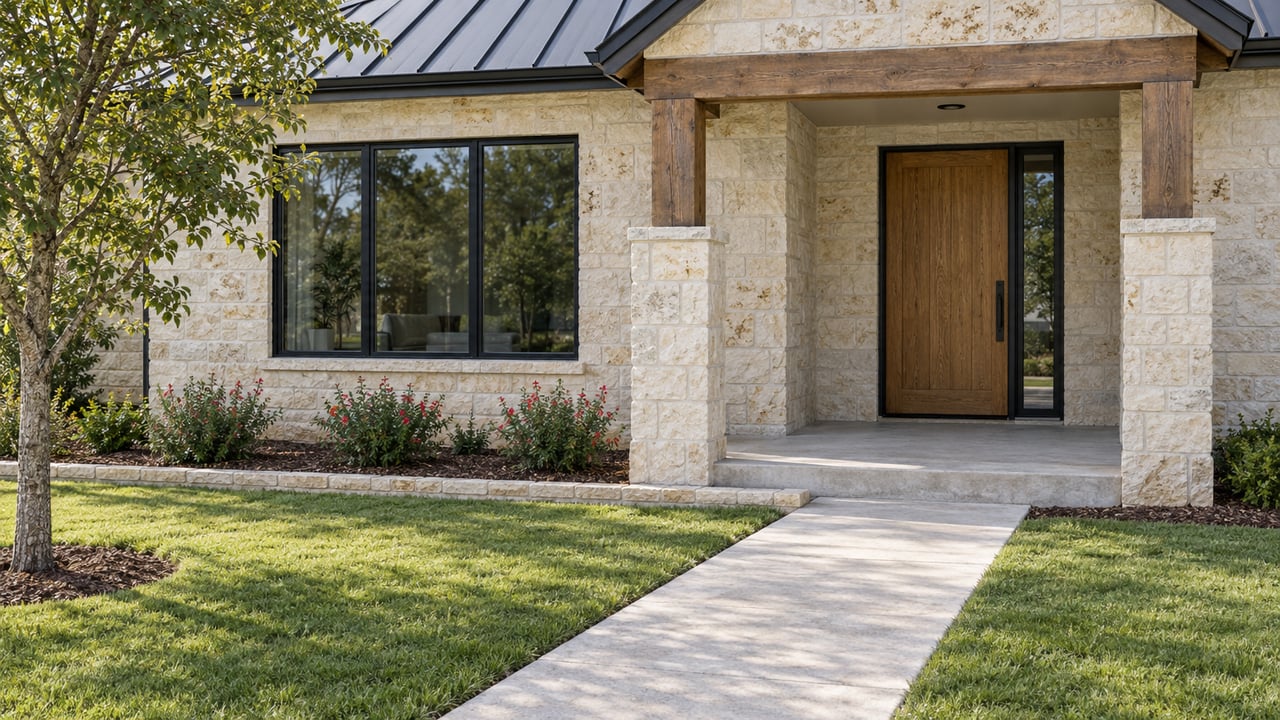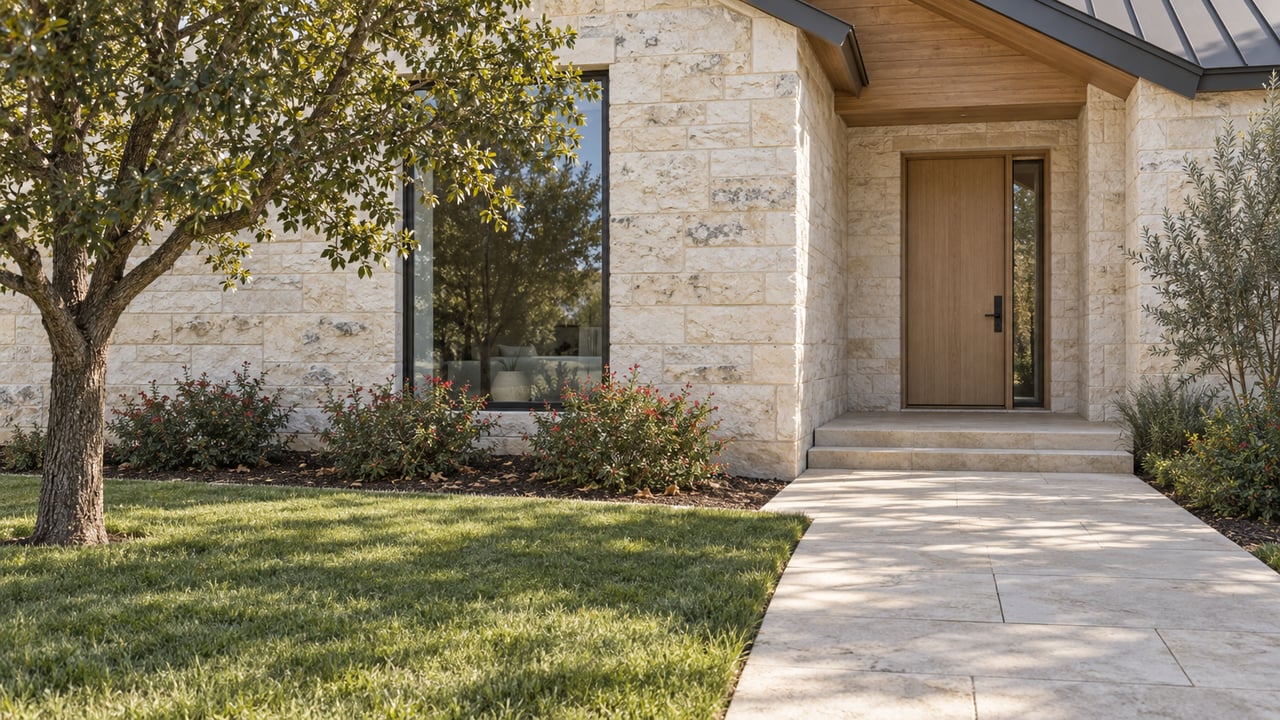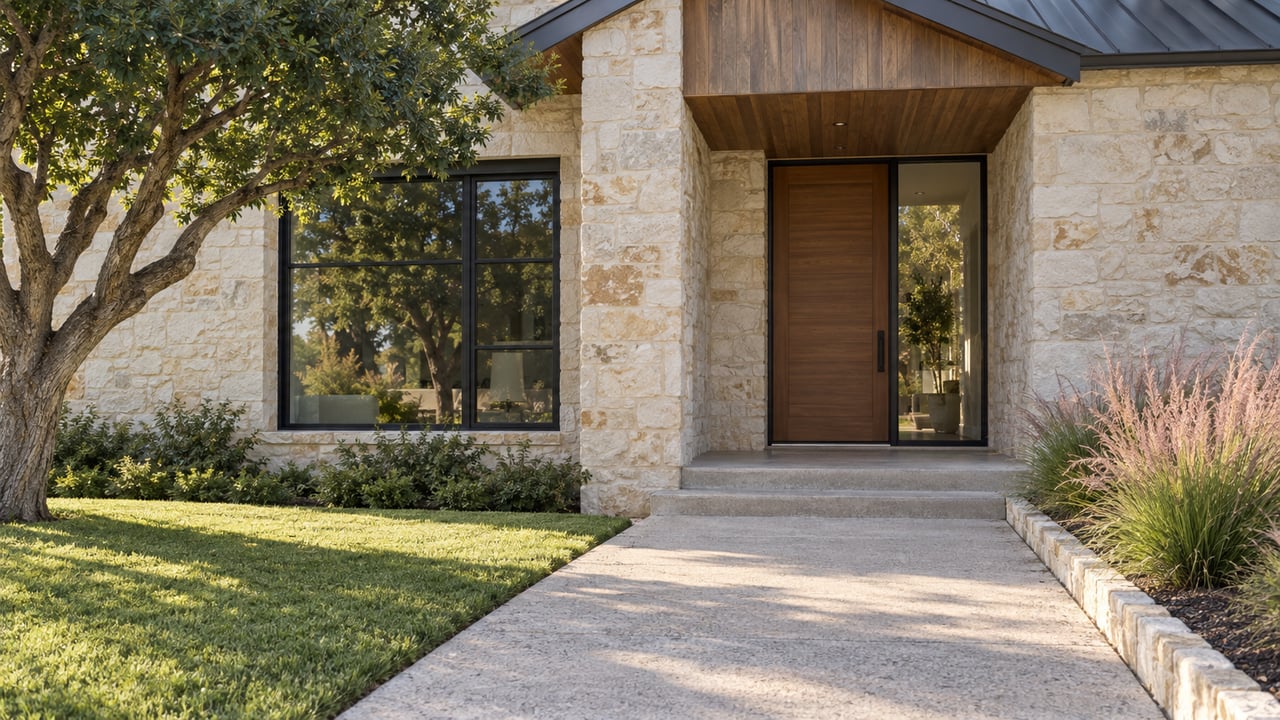
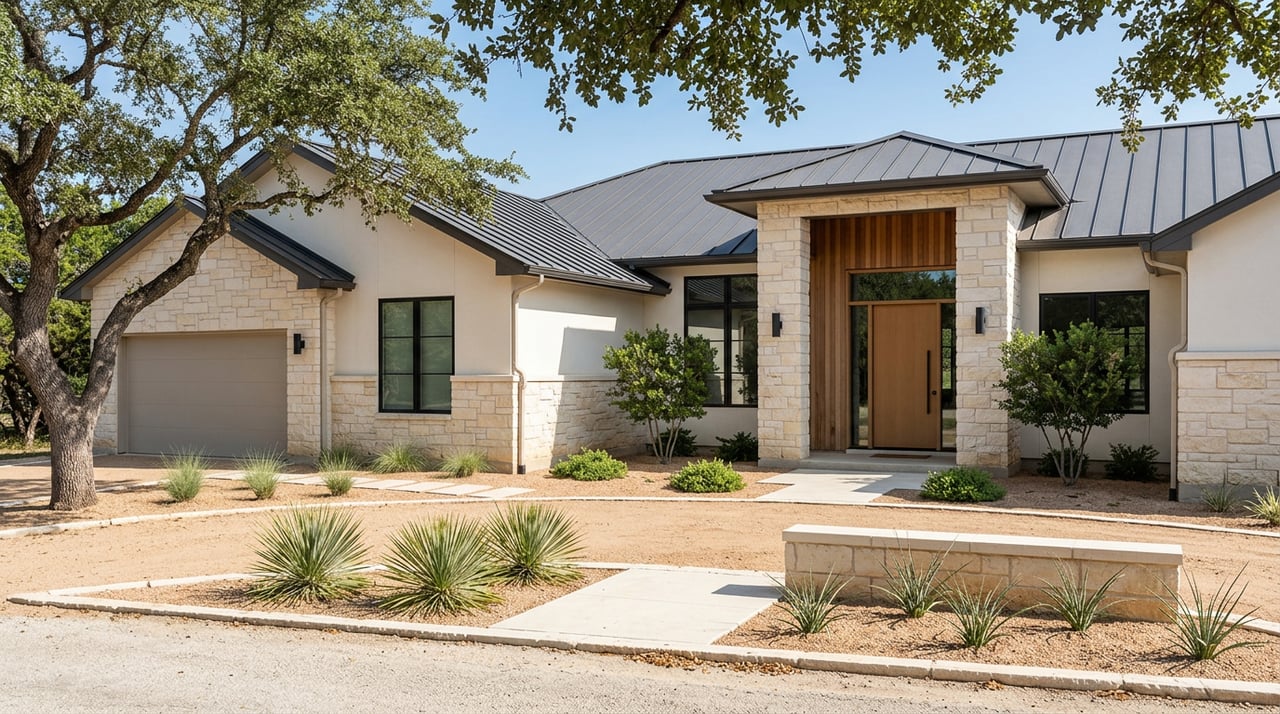
Thinking about building a home in Dripping Springs? The views and space are hard to beat, but Hill Country land comes with unique rules, utility questions, and site costs that can surprise you. If you want a smooth build and a realistic budget, a little local due diligence goes a long way. In this guide, you’ll learn the key steps, local approvals, and practical timelines and costs specific to Dripping Springs and Hays County so you can move forward with confidence. Let’s dive in.
Start with location: City or County
Your first step is to confirm if the lot is inside the City of Dripping Springs or in unincorporated Hays County. The answer drives your permits, codes, fees, and utility options.
- If you are inside City limits, the City’s Building Department is your permitting authority for new homes, driveways, and inspections. Review the City’s resources and contacts on the Building Department page.
- If you are in unincorporated Hays County, the County’s Development Services handles development rules and the on-site sewage facility program (septic), including reviews and inspections.
Tip: Book a City predevelopment meeting early to confirm zoning, required studies, and the full application path. The City encourages this step and provides scheduling info for predevelopment meetings.
Verify utilities and wastewater first
Utilities and wastewater are the big swing factors for feasibility and cost in Dripping Springs.
- Sewer is not universal. Many lots, especially in the ETJ and rural areas, rely on septic systems. Hays County enforces septic permits and inspections through its OSSF program. You can review submittal steps and forms on the County’s septic permits page.
- If you expect to connect to City sewer or a water supply system, confirm the service area, capacity, and tap or impact fees directly with the provider. Dripping Springs has managed wastewater capacity carefully over time, so verify availability before you commit to plans or a timeline. Start with the City’s Building Department for the latest contacts and process.
Septic site evaluation essentials
If your lot will use a septic system, plan this early. Texas requires a site evaluation, often called a perc test, before permitting an OSSF.
- The state’s on-site sewage rules outline the required evaluation and permitting steps. Review Texas OSSF guidance from TCEQ here: TCEQ OSSF permits.
- In Hays County, you submit the OSSF application and design to the County. A licensed site evaluator will study your soils and slope, then produce a site plan for review. County review leads to Authorization to Construct, inspections during install, and a final Notice of Approval.
- Budget and timing: site evaluations often cost about $250 to $800, with alternative systems commonly ranging from $8,000 to $30,000 or more depending on soils and design. See practical ranges and testing tips from TexasSepticGuide. Reviews can take several weeks to a few months depending on site complexity and workload.
Pro tip: Make your land offer contingent on an acceptable site evaluation if there is no sewer. Poor soils can push you to an aerobic or drip system that costs more and needs ongoing maintenance.
Water wells and drought rules
Many Hill Country homes use private wells. Western Hays County sits over parts of the Trinity aquifer system, and well planning should be part of your due diligence.
- Confirm if your lot is within the Hays Trinity Groundwater Conservation District. The District manages well registration and may set curtailments during drought. Check the latest rules, forms, and drought status on the HTGCD well information page.
- Ask drillers about recent well logs and expected depths in your area. Drought restrictions can affect production, so plan for long term reliability, not just initial yield.
Topography, soils, and flood
Dripping Springs terrain is beautiful and rocky, which can influence your design and budget.
- Slopes, shallow limestone, and oak stands can increase excavation, foundation, driveway, and septic costs. A topographic survey and an initial soils or rock assessment will help your builder price the site work accurately.
- If the lot is near a creek or low area, check the FEMA maps and base flood elevation. You may need to adjust your home’s location or foundation elevation. Use the FEMA Flood Map Service Center to review your parcel: FEMA flood maps.
Access and driveway permits
Plan for driveway and right-of-way approvals. The City lists driveway permits among its building permit resources, and access to state routes like US 290 or RR 12 can trigger state highway review.
- Start with the City’s Building Department for driveway and right-of-way contacts and checklists.
- If you front a state highway, budget time for a separate state access permit and any required improvements.
Trees, exterior design, and HOA rules
Dripping Springs reviews exterior standards, landscape, and lighting as part of plan check. Some neighborhoods add their own architectural rules.
- The City publishes plan-review checklists that outline submittal requirements, including landscape and exterior design items. Review them here: City plan-review checklists.
- If the lot is in an HOA, request the CC&Rs and architectural guidelines early. Tree preservation clauses and design reviews can add steps to your schedule.
Power, gas, and broadband options
Expect to coordinate power and communications, especially on rural or view lots.
- Much of the area is served by Pedernales Electric Cooperative. PEC’s line-extension policies may require homeowner contributions for remote service. Start early with a route plan and estimate from PEC.
- Natural gas is not universal in the Hill Country. Many homes use propane or all-electric systems. Confirm service options and plan utility pad placements with your builder and the providers.
Permits and approvals: your roadmap
A preapplication meeting can save weeks by clarifying everything you need to submit. Then you can move through design, permits, and inspections without avoidable delays.
Step 1: Predevelopment meeting
Schedule a meeting with your permitting authority to confirm required studies, city or county submittals, and timing. Use the City’s predevelopment meeting request if you are inside City limits.
Step 2: Plans and permits
- Inside City limits: submit building permits to the City’s Building Department and follow the City’s plan review and inspection workflow. The City lists adopted codes and the current submittal requirements on its Building Department page.
- In unincorporated Hays County: submit septic permits through the County’s OSSF program and follow County development rules.
Step 3: Site work through closeout
Once your permits are in, your builder will handle site prep, foundation, framing, systems, and finishes. You will need inspections at key stages, then final approval and a Certificate of Occupancy before move-in if you are in the City.
Budget and timeline ranges
Every site is different, but these ranges will help you build a realistic budget plan.
- Timeline: production homes in subdivisions often run 4 to 9 months from permit to completion. Custom homes commonly take 9 to 18 months after permits, plus 1 to 4 months for preconstruction design and reviews. See regional guidance on build cycles from a Texas builder: How long a home build takes.
- Site work: clearing, grading, driveway, erosion control, and rock excavation vary widely with slope and soils.
- Septic: plan for evaluation and permitting fees, then system costs that can range from several thousand dollars for conventional systems to $8,000 to $30,000 or more for aerobic, mound, or drip designs. See practical ranges from TexasSepticGuide.
- Well and water: drilling depth and yield drive cost. Confirm groundwater rules and drought policies with HTGCD.
- Power and communications: PEC line extensions can be a material line item on remote lots. Get estimates early from PEC.
- Soft costs: surveys, engineering, permits, impact or tap fees, and HOA or ARC reviews. Keep a 10 to 20 percent contingency to cover site surprises and design changes.
Financing your build
Common paths include buying the lot with cash or a land loan, then using a construction loan that converts to a permanent mortgage once you receive final approvals. Construction loans usually fund draws as work is completed and require plans, budgets, and a qualified builder. Add carrying costs during construction to your plan, including interest, taxes, and temporary housing.
Inspections, closeout, and warranties
Expect inspections at the foundation, framing, mechanical rough-ins, and final. In the County, your septic system will have inspections tied to Authorization to Construct and final approval. At completion, you will receive a Certificate of Occupancy if you are inside City limits.
Many reputable builders offer written warranties that follow a common 1-year workmanship, 2-year systems, and 10-year structural format. If your builder provides a third-party plan, ask how to register it and what is covered. For background on common coverage structures, review 1-2-10 style plans from providers like 2-10 Home Buyers Warranty: new-home warranty overview.
Avoid these common pitfalls
- Skipping a septic site evaluation. Without a current perc or site study, you risk buying a lot that needs an expensive alternative system. Start with a licensed evaluator and use a contract contingency.
- Assuming a private well will be fine. Check HTGCD boundaries, current drought stage, and recent well logs. Plan for long term supply, not just initial test results.
- Underestimating line extensions. PEC service can require homeowner-funded extensions on remote sites. Get a route plan and estimate early.
- Overlooking HOA and City design rules. Architectural and tree preservation reviews can add steps and time. Read CC&Rs and City checklists before you draft plans.
- Not confirming sewer or tap capacity. If you expect City service, confirm availability and fees before you buy plans or schedule construction.
Your step-by-step checklist
Use this quick roadmap to keep your build on track:
- Confirm jurisdiction: City or unincorporated Hays County. Start with the City’s predevelopment meeting resource to get oriented.
- Order an up-to-date survey and collect deed and any HOA CC&Rs.
- If no sewer, hire a licensed site evaluator for a septic site evaluation and concept design. Review Texas OSSF steps on TCEQ’s page and submit permits through Hays County’s OSSF portal.
- Check groundwater rules and well feasibility with HTGCD: well information.
- Contact PEC for a line-extension estimate and confirm options for water and broadband. Start with PEC.
- Schedule your predevelopment meeting, finalize plans with your builder, and submit permits. City resources are on the Building Department page.
- Set budget controls and a 10 to 20 percent contingency. Track plan review, utility orders, inspections, and closeout.
Ready to map your build with real numbers for Dripping Springs lots you are touring? Reach out to Eduardo Duran for a data-first plan, local contacts, and a smooth path from due diligence to move-in. Get your free Austin market valuation and strategy call.
FAQs
What permits do I need to build a home in Dripping Springs?
- If you are inside City limits, the City’s Building Department issues building, driveway, and trade permits; in unincorporated Hays County, the County oversees development rules and septic permits.
How do septic permits work in Hays County?
- Hire a licensed site evaluator for a perc or site study, submit an OSSF application to the County, receive Authorization to Construct, pass inspections during install, and secure a final Notice of Approval.
How long does a custom build usually take here?
- Many custom builds run 9 to 18 months after permits, plus 1 to 4 months for design and reviews; production homes in subdivisions can be 4 to 9 months from permit to completion.
Who provides electricity to rural Dripping Springs lots?
- Much of the area is served by Pedernales Electric Cooperative, and line-extension costs for remote lots can fall to the owner, so request a route plan and estimate early.
Do I need to check flood risk before I build?
- Yes, review FEMA flood maps for your parcel to understand floodplains and base flood elevations, which can affect where you site the home and how high the foundation sits.