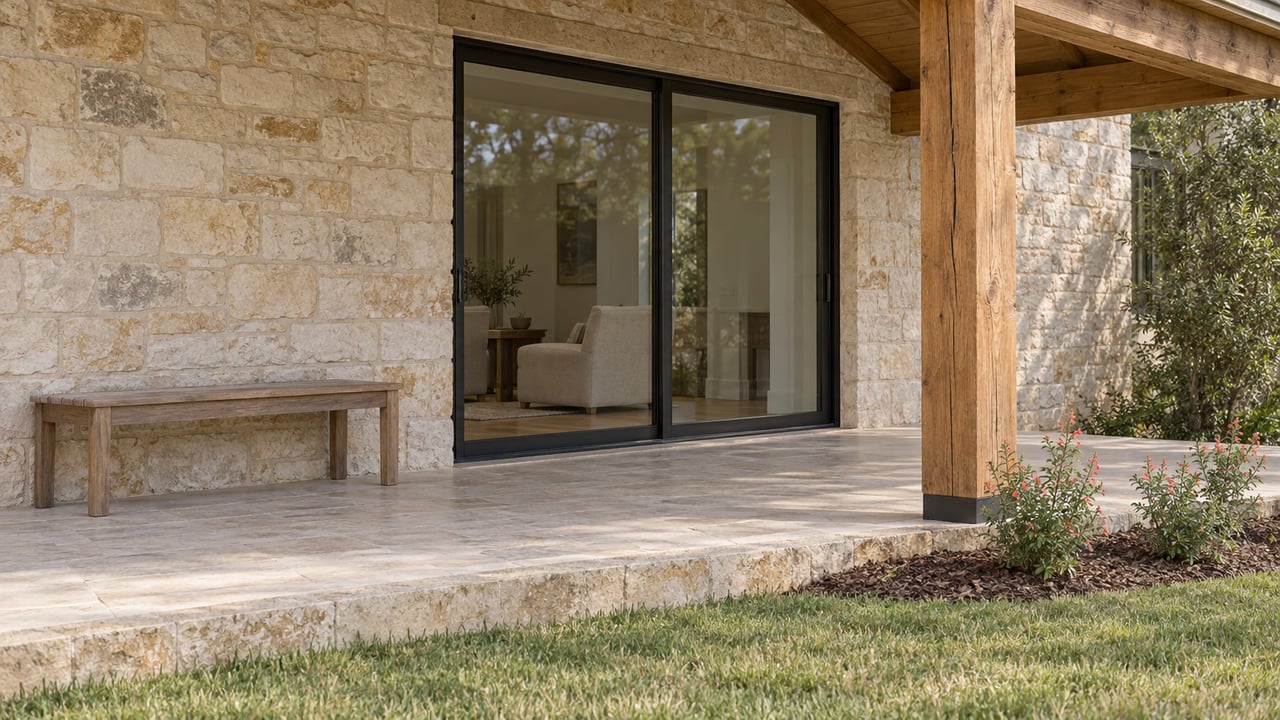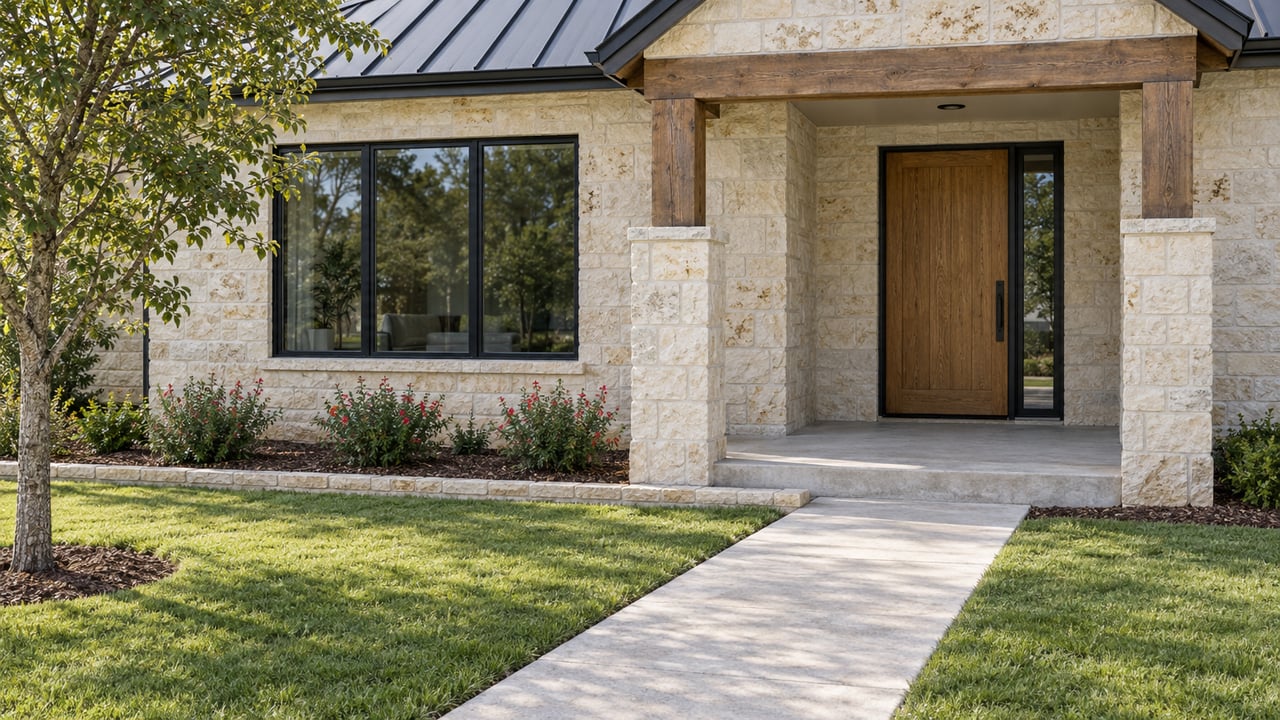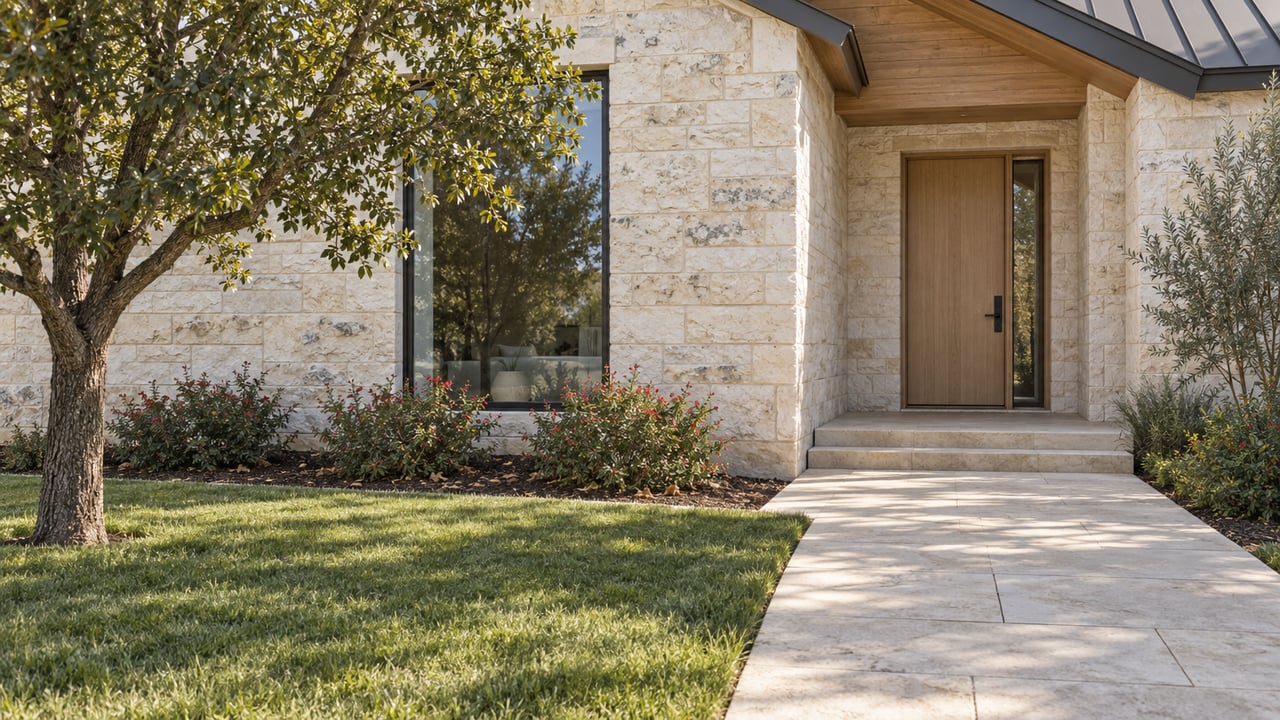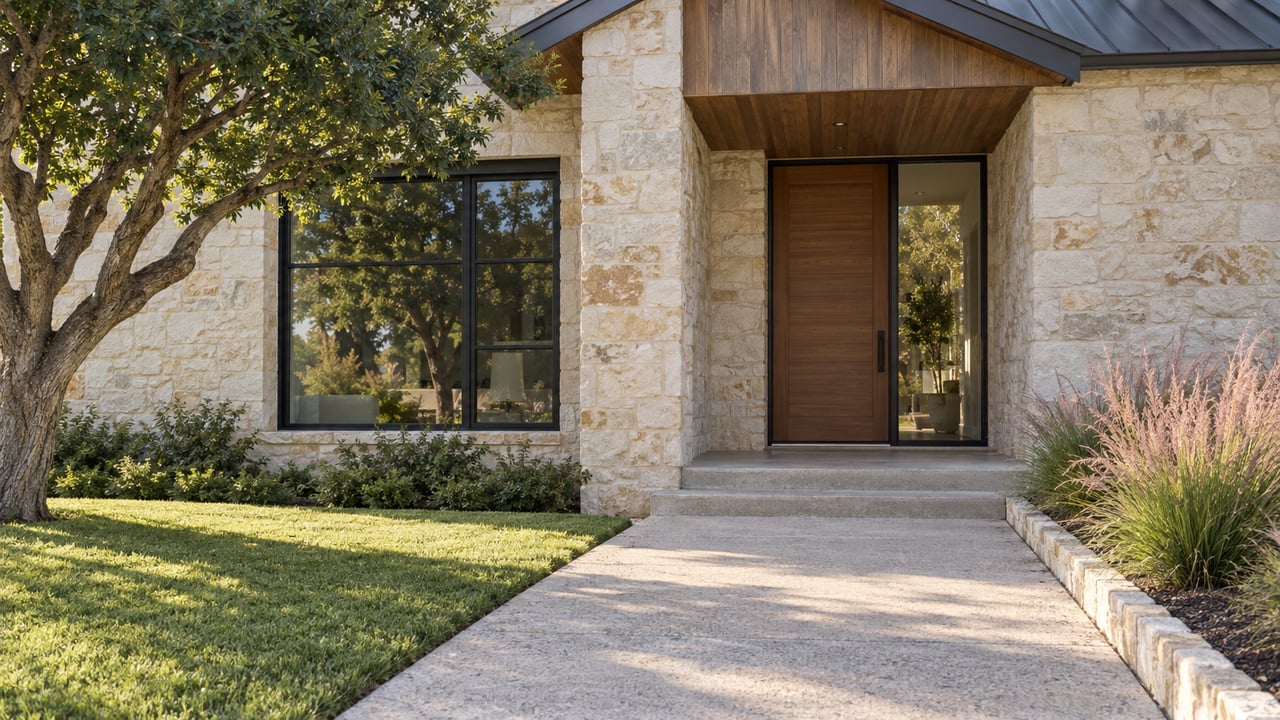
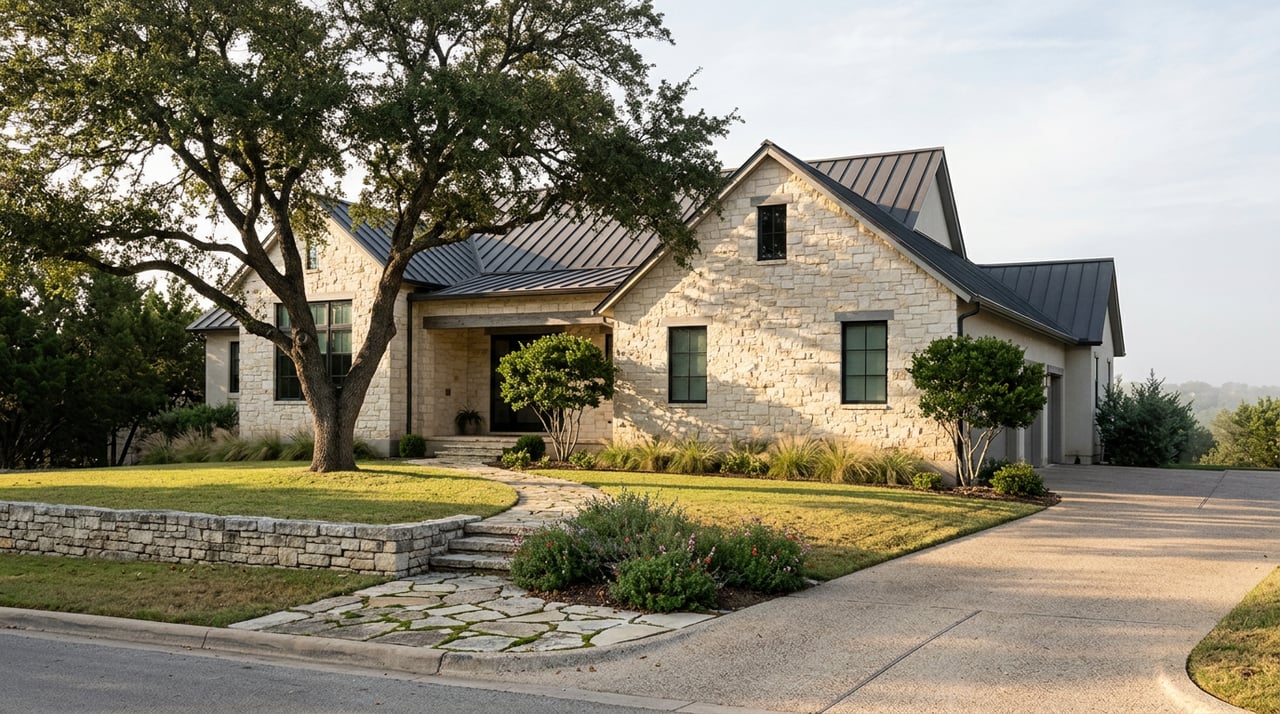
A buyer touring a 1981 ranch house on Walsh Tarlton Lane this spring got two numbers for the same property in the same week. The listing agent quoted a price based on comparable sales of updated homes nearby. The buyer's own agent came back with a land-value estimate from a local appraiser that was nearly identical to the asking price, meaning the 2,400-square-foot house sitting on the lot was worth close to nothing in the calculation. Neither number was wrong. They were answers to two different questions.
That is the story West Lake Hills' price data has been telling all year, if you know how to read it. Look at four separate trackers over the past several months and you'll see medians for the same roughly three-square-mile city that don't just differ, they diverge by more than a million dollars. One national model pegged the trailing 12-month median through June 2026 at $2,816,410 across 34 closings. A different tracker's August 2026 figure came in near $2.97 million. A third source's June 2026 "typical value" estimate sat at $2.21 million. A fourth, working from a single 30-day window with only two closed sales, produced a median of $3.6 million and an average days-on-market figure of 216. Four numbers, four windows, one city.
The gap isn't a data problem
It's tempting to write this off as the usual portal noise, algorithms disagreeing because they weight recency and comps differently. That's part of it. But the deeper reason West Lake Hills numbers scatter this badly is structural, and it matters for anyone actually pricing a house here rather than reading about one.
West Lake Hills has almost no vacant buildable land left. It's boxed in by the Barton Creek greenbelt to the south and the Colorado River corridor to the north and west, and the city has enforced strict low-density zoning, tree-canopy protection, and impervious-cover limits since it incorporated as its own municipality in 1953, with its own council, police department, and building code separate from the City of Austin. There are no master-planned subdivisions being carved out of raw acreage here. Every new house goes up where an old one came down.
That single fact splits the market in two. A 1970s or 1980s house on a large treed lot gets appraised as land first, structure second, because the buyer pool for that address is really shopping for the dirt and the school zoning, and treats the existing house as a placeholder they'll either renovate heavily or tear down. A renovated or newly built home on an identical lot competes in a completely different tier, priced against other finished product rather than against raw land. Blend those two tiers into a single "median home price" and you get a number that accurately describes neither.
Why 48 new houses counted as major news
The clearest proof of how tight the land supply really is showed up this year in the form of a single new development. The Overlook at Westlake, a project of 48 homes from builder MileStone priced from $2.85 million to $5 million with move-ins expected late 2026, was treated by people who track this corridor as a genuinely rare event, because new construction inside Eanes ISD almost never happens. The land is built out. When four dozen new homes register as a headline instead of routine inventory, you're looking at a market where every livable structure is competing against the option value of not existing.
That scarcity also explains a number that looks backwards at first glance. Over a trailing 24-month window through the second quarter of 2026, price-per-square-foot in neighboring Rollingwood ran meaningfully higher than in West Lake Hills, even though total sale prices in West Lake Hills are typically larger. That's not Rollingwood being the pricier address. It's the opposite of what raw totals suggest.
| Rollingwood | West Lake Hills | |
|---|---|---|
| Character | Compact lots, active teardown-and-rebuild cycle | Larger lots, more topographic variety, slower rebuild pace |
| What drives the $/sqft figure | Recently rebuilt homes command top dollar per foot even on small footprints | Older, larger structures sitting on land priced separately dilute the per-foot number |
Rollingwood's tighter, flatter lots have been cycling through teardown and rebuild faster, so a larger share of its recent sales are brand-new construction commanding premium per-foot pricing on a small footprint. West Lake Hills carries bigger total price tags because the lots are bigger, but many of those sales still include a mostly untouched 1970s or 80s structure, which drags the per-square-foot figure down even as the total sale price stays high. Read the two numbers side by side without knowing this and you'd conclude Rollingwood is the more expensive city. Read them with the land-versus-structure lens and the real story is that Rollingwood is further along in its rebuild cycle.
What this means if you're comparing a listing
If you're shopping or pricing a home in West Lake Hills, the median on any single site is close to useless on its own. What matters is figuring out which of the two markets a specific listing belongs to before you compare it to anything else. A few practical steps:
- Ask the listing agent directly whether the price reflects the land, the structure, or a blend, and ask for the comparable sales they used to get there. If the comps are all teardowns, you're being shown a land number.
- Request a land-only valuation from a local appraiser separate from the listing price, especially on anything built before 1995. The gap between that number and the asking price tells you how much the house itself is contributing.
- Treat days-on-market figures with caution. A correctly priced, renovated home and an optimistically priced legacy property with an aging structure can sit side by side in the same data set, and averaging them produces a days-on-market number that describes neither one accurately.
- If you're planning to renovate or rebuild, get familiar with the city's tree-canopy and impervious-cover rules before you assume you can maximize square footage on a given lot. Those ordinances are a big part of why the land carries so much of the value here in the first place.
There's a second, smaller wrinkle worth knowing about even in a market this locked down: attendance boundaries aren't frozen just because the housing stock is. Eanes ISD's board voted in January 2025 to close Valley View Elementary and consolidate its students into Barton Creek Elementary starting with the 2025-26 school year, citing declining enrollment and a budget shortfall. Older write-ups of the area still describe six elementary campuses feeding the district instead of five. If school assignment factors into your decision on a specific address, confirm the current zoning directly with the district rather than relying on a description that predates the change.
None of this means West Lake Hills is a bad market to buy or sell in. It means the number you see on any single site is a snapshot of whichever slice of the market that source happened to sample, and the useful question isn't "what's the median" but "which market is this specific house actually in." Once you know that, the conflicting headlines stop being confusing and start being informative, because now you know what each one is actually measuring.
FAQ
Is Rollingwood cheaper than Westlake Hills? Not necessarily. Rollingwood often shows a higher price per square foot because more of its recent sales are newly rebuilt homes on compact lots. Westlake Hills carries higher total price tags due to larger lots, but per-foot pricing on older structures there is diluted by land that's valued separately from the house.
Should I renovate my Westlake Hills home before selling, or sell it as-is? That depends on whether your buyer pool is likely to renovate or rebuild anyway. If comparable recent sales on your street were purchased and torn down, a cosmetic renovation may not move your price much, since buyers are pricing the lot. A licensed appraiser can tell you whether your specific address is trading as land or as a finished home.
Why do days-on-market numbers for West Lake Hills vary so much between sources? Because the market mixes two very different kinds of listings: correctly priced, move-in-ready homes that sell quickly, and optimistically priced legacy properties (often priced closer to land value) that can sit for months. Averaging the two produces a number that misrepresents both.
If you're trying to figure out which market a specific West Lake Hills address actually belongs to, that's exactly the kind of question Eduardo Duran works through with buyers and sellers every week. Get your free Austin market valuation and strategy call, and bring the listing that's confusing you.
This article is general information, not legal, tax or financial advice. Consult a qualified professional about your situation.