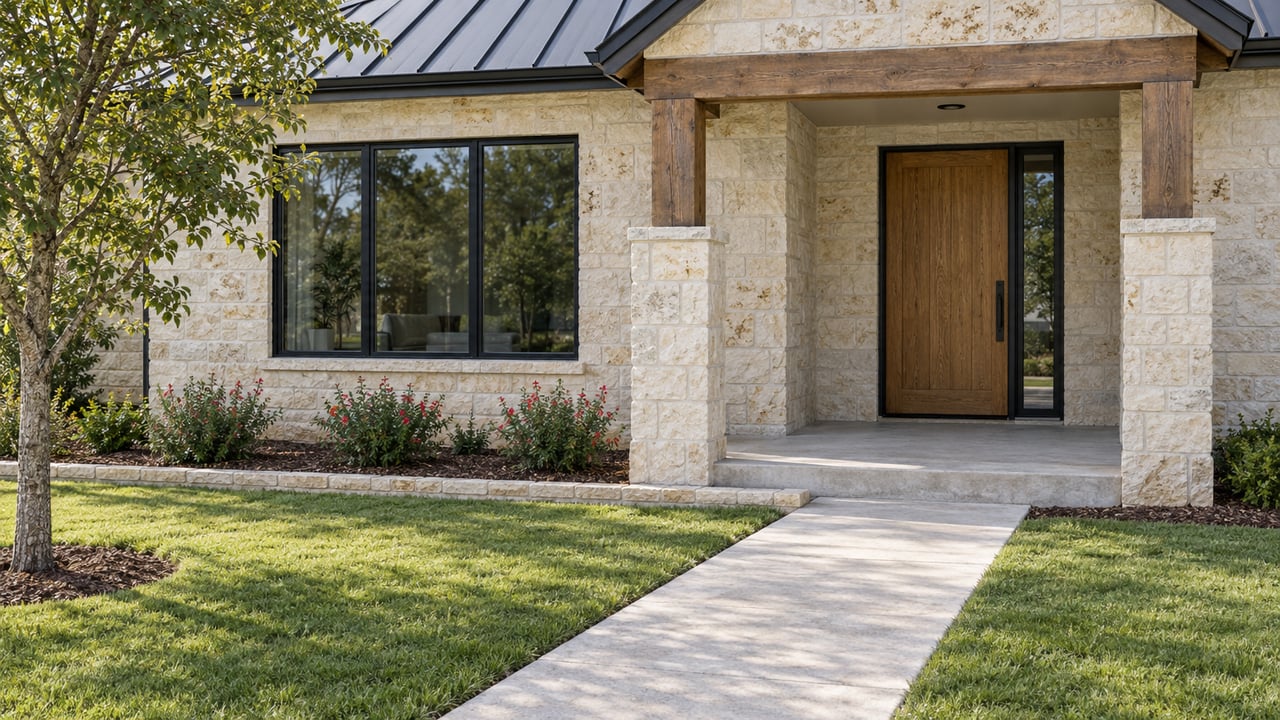
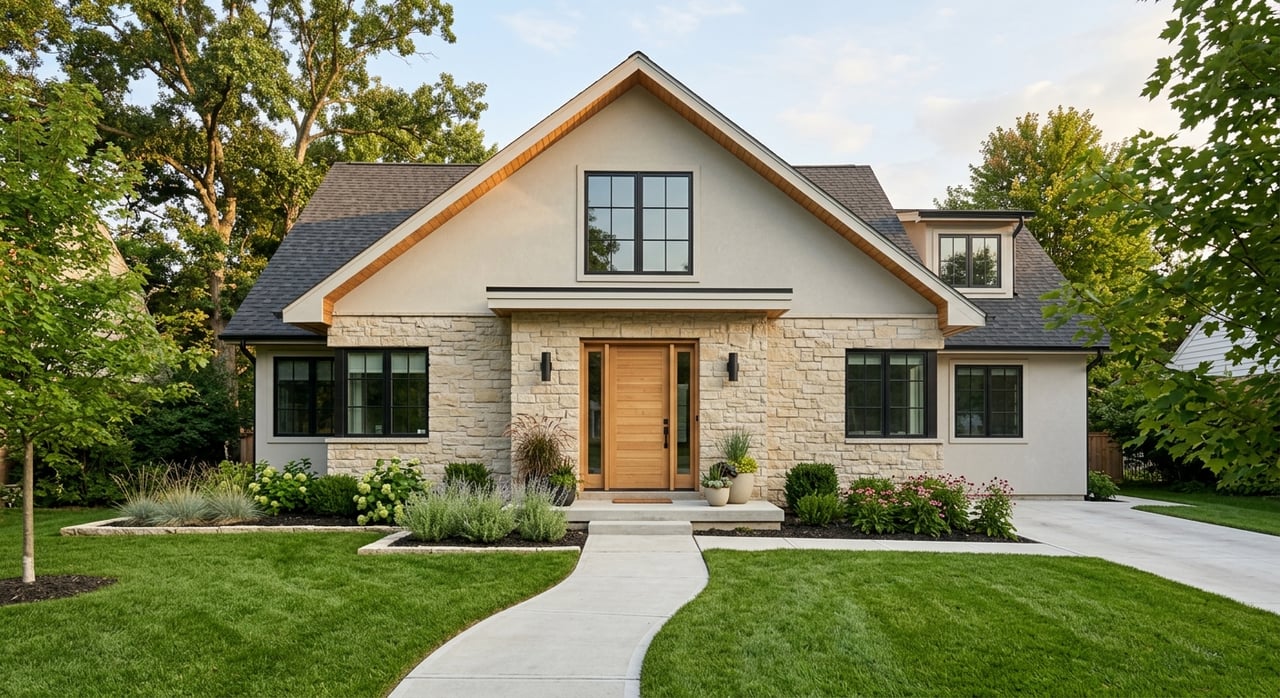
If you want more space without losing access to the Austin metro, Liberty Hill is a market worth watching. Many buyers and investors are trying to balance budget, long-term value, and lifestyle, and that is exactly where Liberty Hill stands out. The city offers a small-town setting inside a fast-growing corridor, with housing that is generally priced below Austin and many nearby markets. Let’s dive in.
Liberty Hill’s Growth Story
Liberty Hill sits in Williamson County, about 29 miles north of Austin, and it is part of the Greater Austin metro. According to the City of Liberty Hill, the area is one of the fastest-growing communities in the region. Census estimates show the population grew from 3,646 in April 2020 to 11,984 by July 1, 2024, which is a major jump in a short period.
That growth matters if you are thinking about buying a home or holding property for the long term. Fast population gains often bring more housing demand, new development, and changing infrastructure needs. At the same time, growth can create pressure on roads and commute times, so it helps to go in with a clear plan.
Why Buyers Notice Liberty Hill
For many Austin-area buyers, Liberty Hill offers a practical trade-off. You may get more house, more lot space, or a newer home than you could find in closer-in Austin neighborhoods. In exchange, you need to weigh the reality of a longer commute and ongoing transportation changes in the corridor.
That trade-off is especially relevant because TxDOT is studying the US 183 corridor through Liberty Hill as regional growth increases traffic demand, congestion, and crash rates. If you work in Austin or commute regularly, drive times should be part of your home search strategy. If you work remotely or have more flexibility, Liberty Hill may feel like a strong value play.
Liberty Hill Has a Family-Oriented Profile
The local demographic picture helps explain why Liberty Hill continues to attract primary-residence buyers. Census data for Liberty Hill shows that 35.1% of residents are under 18, and the average household size is 3.19. That points to a younger, household-oriented population base.
The city’s community page highlights rolling hills and local opportunity, which supports the area’s appeal for people looking for a suburban lifestyle within reach of Austin job centers. For buyers, that often translates into a search for space, newer housing, and a setting that feels less dense than the core of the city.
Housing Types Are Expanding
Liberty Hill is still largely a single-family home market, but its planning framework allows for more variety as the city grows. The city’s land use and zoning guidance includes low-, medium-, and high-density residential categories, plus duplex, multifamily, and manufactured housing. The city’s development principle calls for a 70% single-family and 30% multifamily balance.
That matters because it shows Liberty Hill is not locked into one housing format. If you are buying a primary residence, the market is still anchored by detached homes. If you are an investor, the broader housing mix can support different strategies as the area matures.
Rental-Home Supply Is Growing
Recent development activity also shows that Liberty Hill is becoming more than a for-sale subdivision market. Community Impact reported on a single-family rental neighborhood in Santa Rita Ranch, and the research report notes additional build-to-rent activity in the area.
For investors, that is an important signal. It suggests there is growing recognition of rental demand in Liberty Hill, especially for renters who want the feel of a house rather than a traditional apartment. It also means you should evaluate the market carefully, since rising rental supply can shape pricing and competition over time.
Liberty Hill Looks Affordable Relative to Austin
One of Liberty Hill’s biggest draws is its price position compared with Austin and several nearby markets. According to Redfin’s Liberty Hill housing market data, the median closed-sale price in February 2026 was $312,000. Using the same source and methodology, Austin was $520,000, Williamson County was $395,000, Georgetown was $395,000, Round Rock was $388,000, and Leander was $438,000.
That puts Liberty Hill about 40.3% below Austin and about 21.0% below Williamson County on a closed-sale basis. The report notes there were only 8 closed sales that month, so the exact figure should be viewed as directional. Still, the broader takeaway is clear: Liberty Hill is comparatively affordable within the Austin-area landscape.
Buyer Leverage Is Part of the Story
Pricing is only one part of affordability. Market pace and negotiating conditions also matter. Realtor.com’s Liberty Hill overview describes the market as a buyer’s market and says homes sold about 1.1% below asking on average in February 2026.
For buyers, that can mean more room to negotiate than you might expect in tighter parts of the metro. For investors, softer resale conditions may create opportunity, but they also reinforce the need for conservative assumptions. This is not a market to approach with quick-flip expectations unless the numbers are very solid.
What the Rental Data Suggests
The rental picture in Liberty Hill is still developing, but there are useful signs for long-term investors. Realtor.com reports a median rental price of $2,150 per month, while Census data shows a median gross rent of $1,508. The same Census profile shows a 60.7% owner-occupied housing rate and a median owner-occupied value of $403,200.
The key point is not to treat those figures as directly interchangeable. Instead, they suggest Liberty Hill remains owner-occupant leaning, while also supporting a meaningful rental base. If you are underwriting a rental property here, a long-term hold strategy is usually more realistic than a short-term, speculative plan.
Why Liberty Hill Fits Homebuyers
For primary-residence buyers, Liberty Hill’s appeal goes beyond price. The city’s growth, household-oriented profile, and expanding housing supply can make it a good fit if you want a newer suburban environment with room to grow. It can be especially appealing if you are moving from Austin or another nearby city and want more flexibility in your budget.
There is also momentum in local enrollment trends. The research report notes that Liberty Hill ISD enrollment rose from 4,390 in 2018-19 to 8,829 in 2023-24, with Community Impact reporting projections above 18,000 students by 2033-34 as subdivisions are built or planned. For buyers, that is another sign of sustained residential demand and long-term community growth.
Why Liberty Hill Fits Investors
For investors, Liberty Hill is more of a patience market than a speed market. The city is actively managing growth through its master-plan system, and the housing mix is evolving as rental-home product expands. Those are positive long-term signals if your strategy is based on future demand, careful acquisition, and stable leasing rather than a quick turnaround.
This is where a disciplined approach matters. If you are considering a rental, BRRRR-style hold, or another long-term play, you want to pay close attention to entry price, rent assumptions, competition from new supply, and commute-driven demand. Liberty Hill can make sense, but only if the numbers work on realistic timelines.
Best-Fit Investor Strategies
Based on the available data, Liberty Hill may be worth a look if you are considering:
- Long-term rental holds in a growing suburban corridor
- Single-family rental properties that appeal to households seeking more space
- Build-to-rent adjacent opportunities where new rental demand is becoming more visible
- Patient appreciation plays tied to ongoing population and development growth
It may be less suited to strategies that rely on fast appreciation or a rapid resale cycle in the near term.
Risks to Keep in Mind
No market is all upside, and Liberty Hill is no exception. The same growth that creates opportunity can also bring infrastructure strain, traffic changes, and more housing competition. Buyers should think carefully about commute patterns, while investors should stay conservative with rent growth and exit assumptions.
It is also important to remember that different data sources measure different things. Redfin’s figures in the research report are closed-sale data, while Realtor.com provides listing and rental metrics. The safest conclusion is that Liberty Hill is relatively affordable compared with Austin-area peers, not that every home or every deal is cheap.
How to Evaluate Liberty Hill Wisely
If Liberty Hill is on your shortlist, start with a simple framework:
- Compare your budget against Austin, Leander, Georgetown, and Round Rock
- Estimate your commute using real-world drive times
- Review whether you want a primary home, a lease-up property, or a long-term hold
- Look at neighborhood-level housing supply and new development nearby
- Use conservative numbers if you are analyzing rental income or appreciation
That kind of numbers-first approach can help you avoid chasing headlines and focus on whether Liberty Hill truly fits your goals.
If you want help weighing Liberty Hill against other Austin-area options, Eduardo Duran can help you compare pricing, rental potential, commute trade-offs, and next-step strategy with a practical, data-driven lens.
FAQs
Why does Liberty Hill appeal to Austin-area homebuyers?
- Liberty Hill appeals to many buyers because it offers a small-town setting in the Austin metro, a family-oriented population profile, and home prices that are generally lower than Austin and several nearby markets.
Is Liberty Hill more affordable than Austin?
- Based on the research report, Liberty Hill’s February 2026 median closed-sale price was lower than Austin’s, making it comparatively more affordable, though individual homes and neighborhoods can vary.
Is Liberty Hill a good place for real estate investors?
- Liberty Hill may fit investors who prefer long-term hold strategies, especially in single-family rentals or patient appreciation plays, rather than fast-flip assumptions.
What should buyers consider about commuting from Liberty Hill?
- Buyers should factor in longer drive times and roadway conditions, since regional growth is increasing traffic demand along the US 183 corridor.
Does Liberty Hill have rental demand?
- The research report suggests yes, with a meaningful rental base, reported median rental pricing, and recent single-family rental and build-to-rent development activity.
What type of housing is common in Liberty Hill?
- Liberty Hill is still primarily a single-family home market, but city planning allows for a wider mix that includes duplex, multifamily, and other residential formats as the city grows.