If your Georgetown home sits too long, buyers notice. In a market with more inventory and more price sensitivity, the homes that stand out are usually the ones that launch with a clear plan. This checklist will help you focus on the updates, prep work, timing, and paperwork that can make your listing more competitive from day one. Let’s dive in.
Why Georgetown prep matters now
Georgetown is not a market where you can rely on listing fast and fixing issues later. According to Realtor.com’s Georgetown market overview, the city has been tracking as a buyer’s market, with about 2,443 active listings, a median listing price of $459,970, a median of 62 days on market, and a 99% sale-to-list ratio.
Other market data points in the same direction. Redfin’s city data, referenced in the market overview, show a median sale price of $395,000, 122 median days on market, a 97.5% sale-to-list ratio, and 32.3% of homes with price drops. The exact numbers differ by source, but the message is consistent: buyers have options, and preparation matters.
That means your pre-listing plan should do three things well:
- Reduce obvious buyer objections
- Strengthen your first impression online
- Support realistic pricing from the start
Start with a pricing mindset
Before you spend money, it helps to know the goal. In Georgetown, the goal is not to make your home feel brand new at any cost. The goal is to improve the features buyers see first and remove condition issues that make them hesitate.
This is where a strategic checklist beats a long wish list. In a slower market, over-improving can eat into your net proceeds without changing buyer behavior. A smarter approach is to focus on repairs and updates that improve presentation, help your photos stand out, and support the asking price you want to test.
Fix exterior issues first
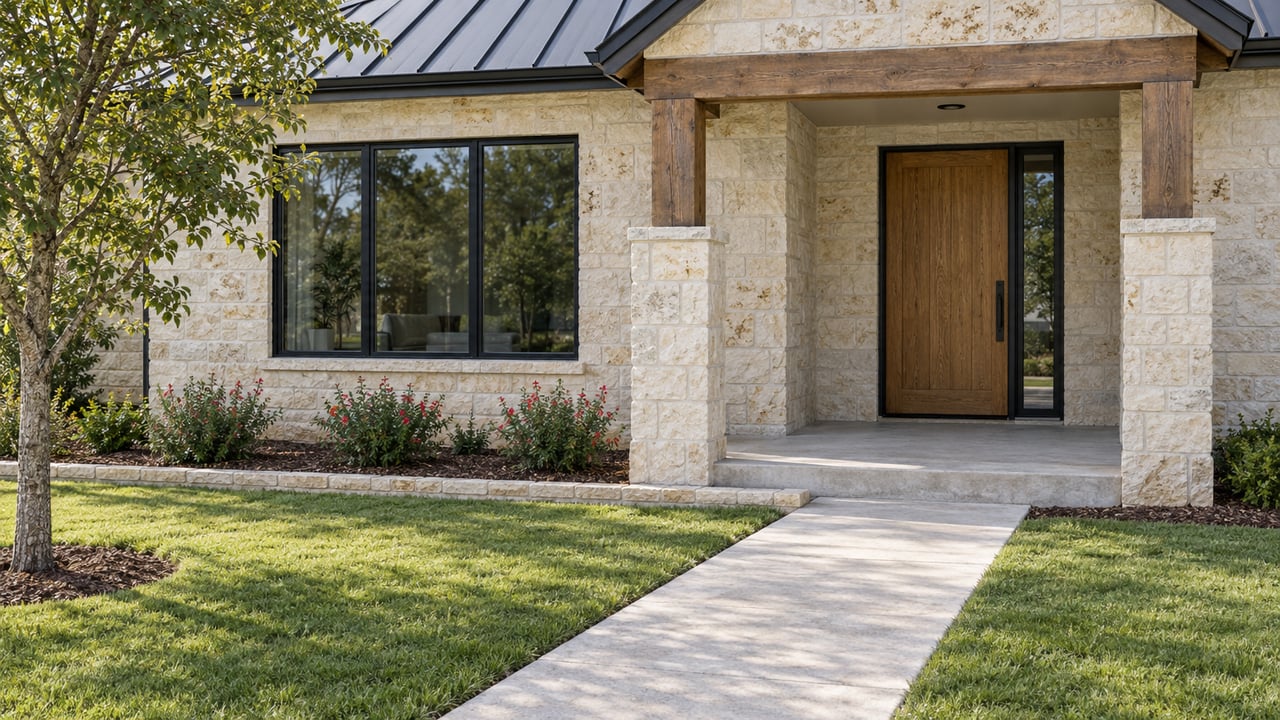
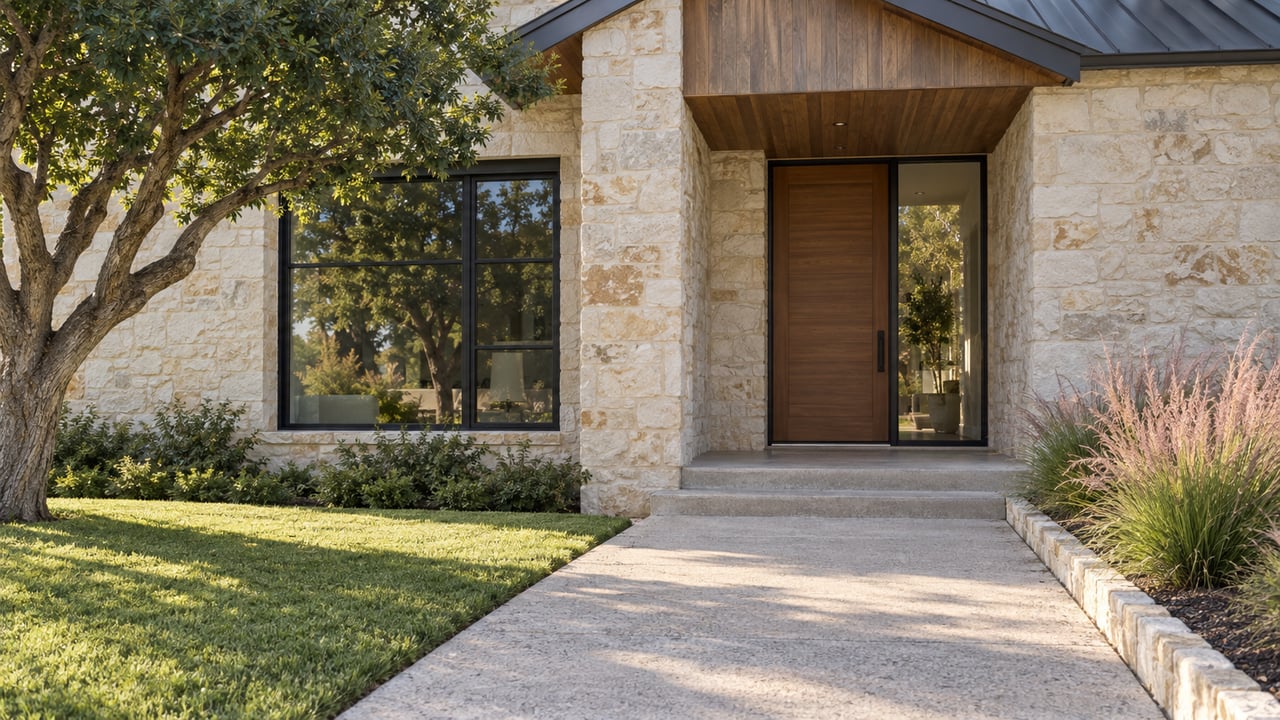
Your exterior sets the tone before a buyer even walks in. If the outside feels neglected, buyers often assume the same is true inside.
The National Association of REALTORS remodeling research points to several high-return projects that matter for resale, especially garage door replacement, steel entry door replacement, minor kitchen remodels, and bathroom remodels. For most Georgetown sellers, the first move is to address the visible exterior items buyers notice right away.
Prioritize these exterior fixes first:
- Garage door condition and appearance
- Front door wear, hardware, and paint
- Roof condition if there are visible concerns
- Peeling, faded, or dated exterior paint
- Basic yard cleanup and entry presentation
You do not need a full overhaul to make a strong impression. Clean lines, a maintained entry, and a cared-for exterior often do more for buyer confidence than expensive upgrades buyers may not fully value.
Make selective interior updates
Once the exterior is handled, shift to the rooms that shape buyer perception most. The same NAR remodeling research shows that modest projects often outperform major renovations when sellers are focused on resale.
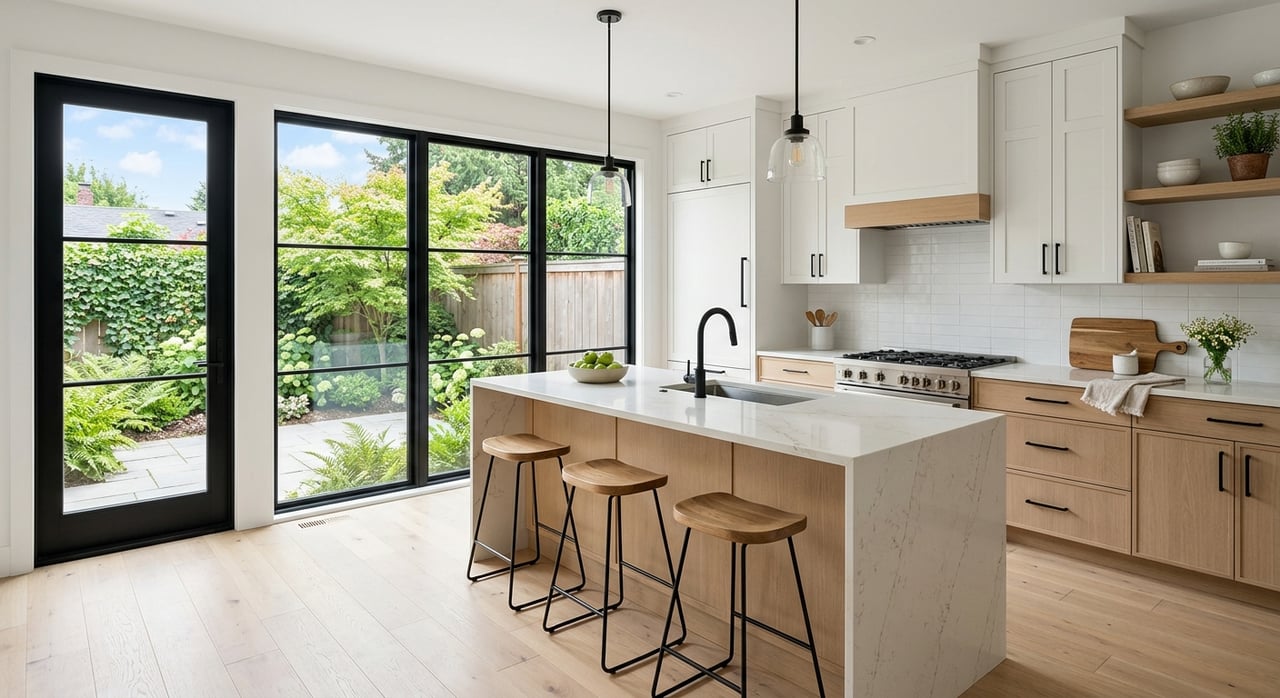
That usually means choosing one or two high-visibility updates instead of starting a full remodel. A minor kitchen refresh or a bathroom update can improve how the home shows without creating a long, expensive project timeline.
Focus your budget on updates buyers notice quickly, such as:
- Fresh interior paint where walls look worn or overly personalized
- Updated cabinet hardware or light fixtures
- Minor kitchen improvements instead of a full renovation
- Bathroom touch-ups that improve cleanliness and appearance
- Small cosmetic fixes like damaged trim, loose handles, or cracked caulk
This approach also fits current buyer behavior. In NAR’s 2025 remodeling impact report, 46% of REALTORS said buyers are less willing to compromise on home condition than they were five years ago. In practical terms, visible wear matters.
Clean, declutter, and depersonalize
Cleaning is not a final step. It is part of your marketing strategy.
The strongest prep work often starts with simple basics. NAR’s staging data show that the most common seller tasks are decluttering, whole-home cleaning, removing pets during showings, and using professional photos. Those are not glamorous steps, but they directly affect how buyers experience your home online and in person.
Before photos or showings, work through this list:
- Remove extra furniture that makes rooms feel smaller
- Clear countertops, bathroom surfaces, and entry areas
- Pack away personal photos and highly specific decor
- Deep clean floors, windows, kitchens, and baths
- Store pet beds, bowls, crates, and related items for showings
The goal is simple: help buyers focus on the space, not your stuff. A clean, calm, neutral presentation also makes your photos look more polished and consistent.
Stage the rooms that matter most
Staging is not just for luxury listings. It can support both price perception and speed of sale.
According to a 2025 NAR report on home staging, 29% of agents said staging increased the dollar value offered by 1% to 10%, and 49% said staging reduced time on market. In a buyer-friendlier Georgetown market, that kind of edge can matter.
You do not need to stage every room at the same level. If your budget is limited, focus on the spaces buyers remember most:
- Living room
- Kitchen
- Primary bedroom
These rooms usually carry the biggest visual weight in photos and showings. Good staging helps buyers understand scale, flow, and function without distracting them.
Treat photography like launch day prep
Many buyers will form their first opinion of your home before they ever schedule a showing. That is why your online presentation is not separate from pricing strategy. It is part of it.
Zillow’s 2025 buyer research, cited in seller guidance, found that floor plans were the most important listing feature for 33% of prospective buyers, followed by high-resolution photos at 26% and 3D virtual tours at 20%. Zillow also found that 59% of prospective buyers had been shopping for six months or longer, which means many buyers are comparing homes carefully before taking action.
Its real estate photography guidance also notes that the ideal listing often uses about 22 to 27 photos, and homes with fewer than nine photos are about 20% less likely to sell within 60 days. That makes photo quality and photo count worth planning for.
Use this launch order:
- Deep clean and declutter
- Finish minor repairs and cosmetic touch-ups
- Stage key rooms
- Schedule professional photos
- Add a floor plan or virtual tour if available
- Go live only when the home is fully show-ready
This sequence helps you avoid a common mistake: listing too early with weak photos, unfinished repairs, or a home that looks different in person than it does online.
Time your listing with intention
Timing will not fix an overpriced or underprepared home, but it can still help. According to Realtor.com’s 2026 Best Time To Sell report, the best week nationally is April 12 to 18, and the Austin-Round Rock-San Marcos metro area also shows an early spring advantage tied to higher listing prices, more buyer views, and faster sales.
For Georgetown sellers, that makes early planning especially useful. Realtor.com’s research also notes that sellers in the South and West may benefit more from timing because inventory tends to be more abundant in those regions.
Another timing point matters just as much: prep usually takes longer than people expect. Realtor.com seller research says the typical homeowner expects about 10 months from the decision to list to closing, even though 53% of sellers took one month or less to get their home ready to list. If you want flexibility, start earlier than you think you need to.
Gather disclosures and documents early
Paperwork is part of your listing strategy too. When buyers are cautious, clear documentation can reduce friction during negotiation.
In Texas, the TREC Seller’s Disclosure Notice is required for sellers of previously occupied single-family residences and covers material facts and the physical condition of the property. If your home was built before 1978, federal law also requires disclosure of known lead-based paint hazards, any available reports or records, a lead warning statement, and a 10-day opportunity for the buyer to inspect for lead hazards.
Try to gather these documents before your home goes live:
- Seller’s Disclosure Notice
- Prior inspection reports if available
- Repair receipts and contractor invoices
- Warranty information for major systems or appliances
- Records of known issues and completed fixes
- Lead-based paint disclosure materials if applicable
Having this material ready can help you answer questions faster and keep the transaction moving once you receive an offer.
Your Georgetown pre-listing checklist
If you want a simple, practical order of operations, use this sequence:
1) Review pricing and market position
- Study comparable homes and current competition
- Set a realistic pricing strategy based on condition and days on market
- Avoid assuming upgrades will automatically justify a premium
2) Handle visible exterior concerns
- Refresh the front door or garage door if needed
- Address roof or paint issues buyers can easily see
- Clean up the yard and entry area
3) Complete minor interior fixes
- Paint where needed
- Repair small cosmetic issues
- Make selective kitchen or bath improvements
4) Prep the home for showings
- Declutter room by room
- Deep clean the entire home
- Remove personal and pet-related items
5) Stage and photograph
- Stage the living room, kitchen, and primary bedroom
- Use professional photography
- Add a floor plan or virtual tour if available
6) Finalize your documents
- Complete required disclosures
- Organize receipts, warranties, and reports
- Make sure your listing details match the property’s actual condition
Why strategy beats guesswork
In Georgetown, preparation is not about doing more. It is about doing the right things in the right order.
A data-informed selling plan focuses on what buyers can see, what they will compare online, and what will support a realistic asking price in a competitive market. If you want to avoid unnecessary projects, reduce avoidable price cuts, and launch with a stronger position, a strategic checklist gives you a better path forward.
If you’re planning to sell in Georgetown and want a numbers-driven prep and pricing plan, connect with Eduardo Duran for a personalized strategy built around your home, your timing, and today’s market conditions.
FAQs
What should Georgetown home sellers fix before listing?
- Georgetown sellers should usually start with visible exterior issues, minor cosmetic repairs, fresh paint where needed, and selective kitchen or bathroom updates that improve first impressions.
How important is staging for a Georgetown home sale?
- Staging can be very helpful because NAR reports that it can reduce time on market and may increase the dollar value offered, especially when key rooms are staged well.
When is the best time to list a home in Georgetown?
- Early spring may offer an advantage, with Realtor.com’s 2026 research pointing to April 12 to 18 as the best week nationally and a strong seasonal window for the Austin metro area.
What photos should a Georgetown home listing include?
- A strong Georgetown listing should include professional high-resolution photos, ideally around 22 to 27 images, and may benefit from a floor plan or 3D virtual tour.
What disclosures are required for Texas home sellers?
- Texas sellers of previously occupied single-family homes generally need a Seller’s Disclosure Notice, and homes built before 1978 may also require lead-based paint disclosures and related records.
How early should Georgetown home sellers start preparing?
- Starting early is smart because even when sellers complete prep in a month or less, the full path from deciding to sell through closing can take much longer than expected.